





ICL lenses: a safe and conservative alternative that preserves corneal integrity

ICL Lenses: a safer and more conservative approach to vision correction
In recent years, implantabl...

Glaucoma: the silent disease — how to catch it early
Glaucoma: the silent disease that can damage vision without warning
Glaucoma can progress for yea...

Childhood Myopia: Why It Is Increasing and What Parents Can Do
Why is myopia becoming more common in children?
In the last 30 years, childhood myopia has increase...
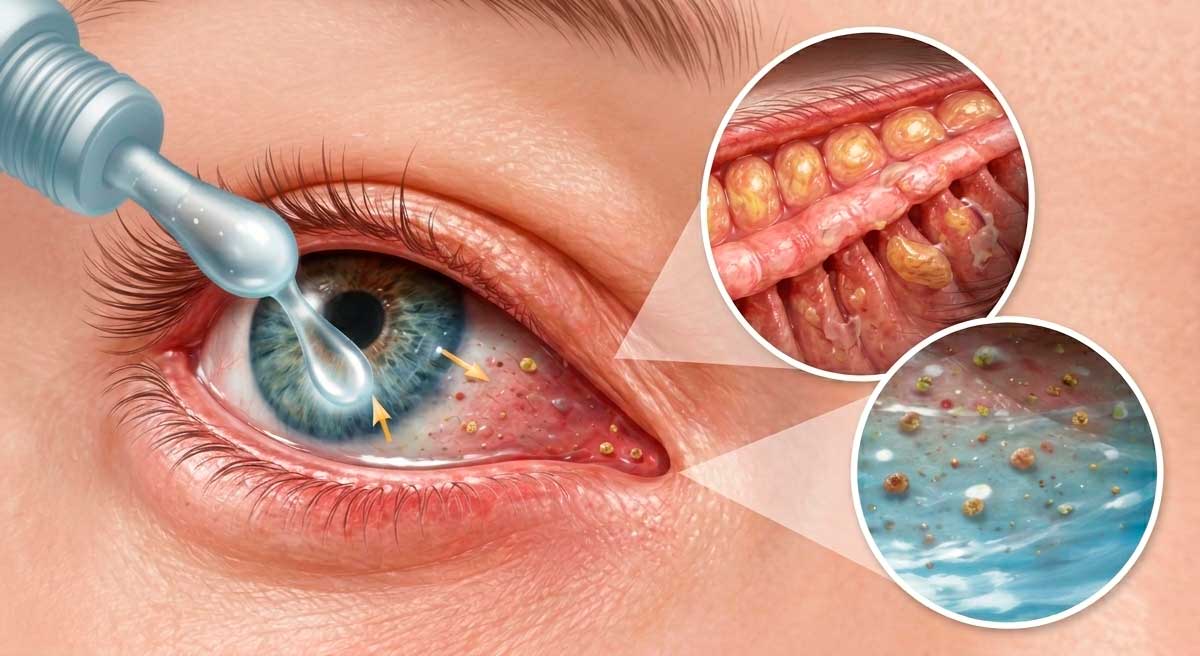
Dry eye and trifocal lenses: when premium IOLs are the right choice — and when they are not
Dry eye and trifocal lenses: why not every patient is a candidate for maximum technology in cataract...

Halos after cataract surgery: why they occur and when they fade
Halos After Cataract Surgery: Are Trifocal Lenses Safe for Night Driving?
Many patients considering...

Cataracts: when to operate and key warning signs
When Should You Have Cataract Surgery?
Clear Signs It May Be Time for Cataract Surgery
One of th...

Retina: how rapid surgery preserves the macula and vision
The Critical Point: When Time Equals Vision
This Tuesday, around 10:00 AM, a patient came to my o...
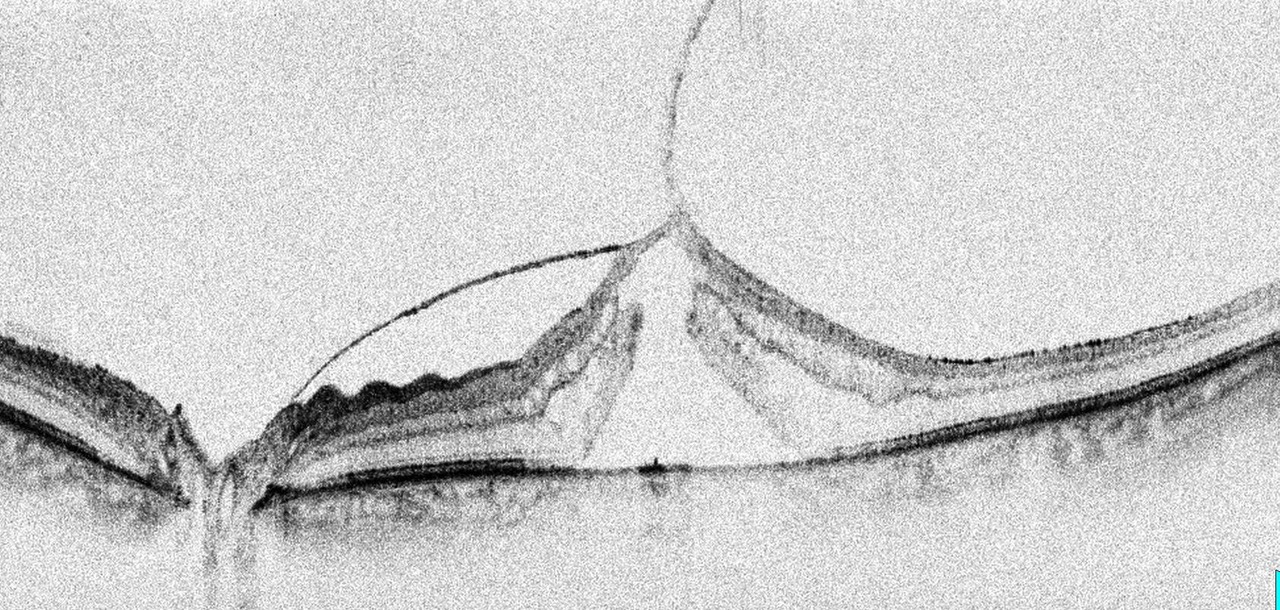
Epiretinal membrane: surgery to stop progression… and often to improve vision
“In epiretinal membrane surgery, we do not operate to promise improvement, but to prevent further vi...

When Not to Operate in Ophthalmology: The Importance of Saying No
In my daily practice as an ophthalmologist, it is very common to meet patients who come to consultat...
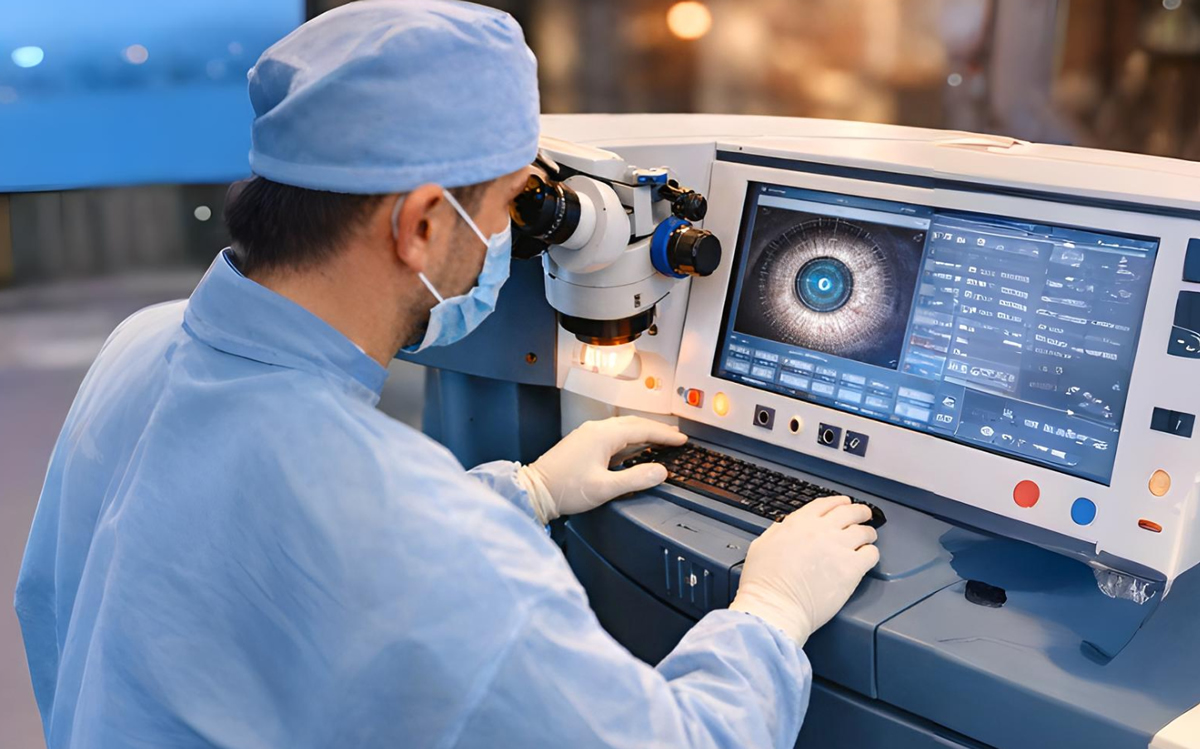
PRK or LASIK: choosing well matter
PRK or LASIK: choosing well matters
PRK was widely used for years. Although LASIK became dominant, ...


